



-
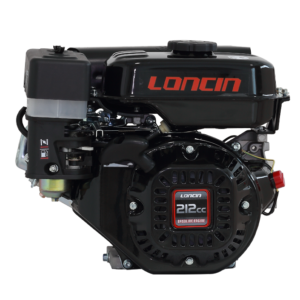
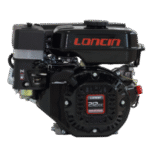
Advanced OHV Engine: Overhead valve design for 20% better fuel efficiency and reduced emissions vs. conventional engines
-
Versatile 4-Speed Transmission: Two forward speeds (up to 2.1 km/h) for different soil densities, plus two reverse speeds for maneuverability
-
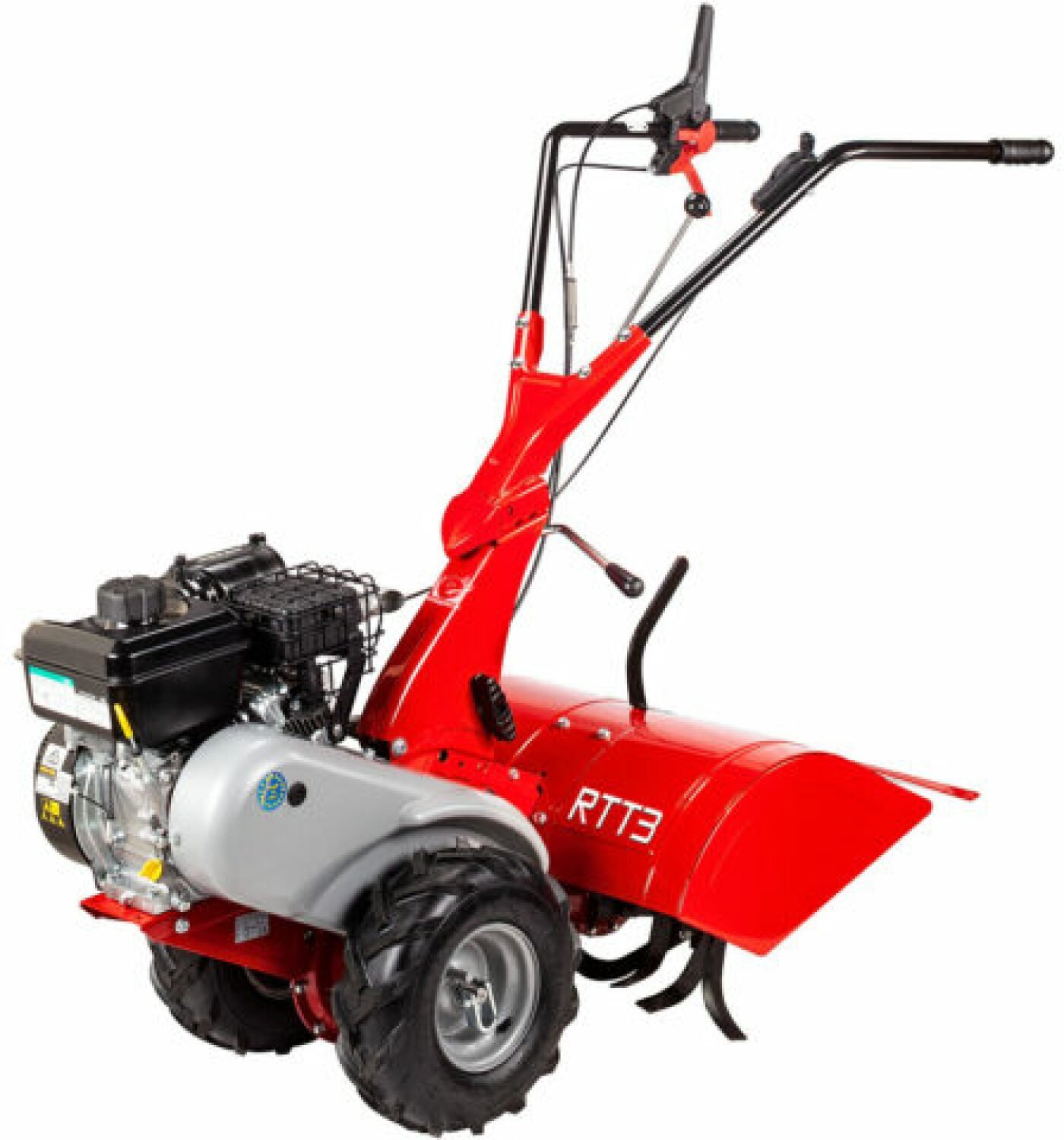
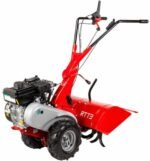
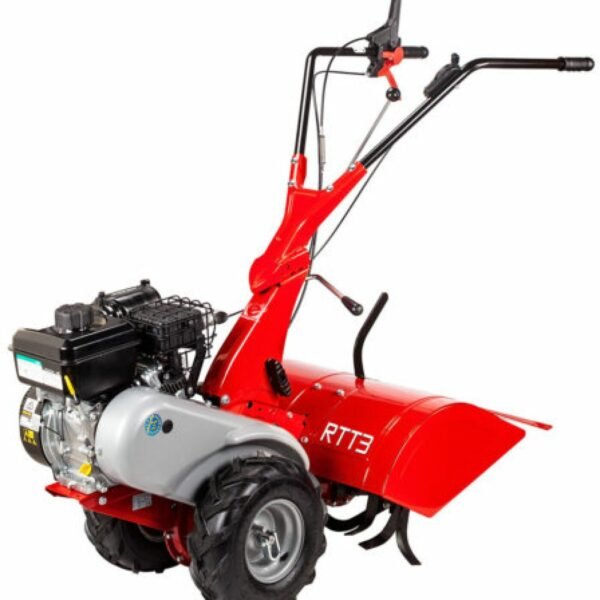
Commercial Grade Hoes: Six 32cm rear hoes with screw-on hardened professional blades (4mm diameter) designed for slow wear and easy replacement
-
Working Width 60cm: Covers more ground per pass than standard 40-50cm cultivators, reducing working time by 30%.
-
Protective Housing: Fully enclosed design prevents debris projection and protects existing plants during cultivation
-
Ergonomic Design: Vibration-damping control handles adjustable for operator height and comfort
Why Will OHV Technology Win in 2026?
The LONCIN TM70 OHV features overhead valves —not outdated side-valve designs. Why does this matter? OHV engines run 20% cooler , extending engine life by 40% compared to conventional tillers. Fuel consumption drops significantly: save over $80 per season on gas. The 212cc TM70 delivers 6.5 HP with the efficiency of a conventional 5 HP engine. In 2026, with volatile fuel prices, OHV isn’t a luxury—it’s common sense.
Why Does 60cm Width Outperform Narrow Growers?
The LONCIN TM70 cultivates 60cm per pass —standard cultivators handle 40-50cm. Why pay for 20cm less? A 1000m² garden requires 30% fewer passes with the TM70 . That’s 2 hours saved on a typical Saturday. The RTT3 chassis prevents hoe hopping at the edges, ensuring even cultivation across the full width. Wider doesn’t mean slower—the TM70 maintains 2.1 km/h even in dense clay. Work smarter, not longer.
Why Do Four Speeds Matter More Than Two?
The LONCIN TM70 offers four speeds : two forward, two reverse. Why not just one of each? Soil conditions vary. Speed 1 (slow) cuts through virgin clay; Speed 2 (2.1 km/h) finishes loose beds. Reverse 1 backs precisely between rows; Reverse 2 quickly transports to storage. Competitors charge $200+ for «premium» transmissions with fewer options. The TM70 includes professional versatility as standard.
Why Do 4mm Hardened Blades Outperform Standard Hoes?
The LONCIN RTT3 uses 4mm hardened steel blades —bolt-on for easy replacement. Why professional grade? Standard cultivators use 2.5mm soft steel that dulls in rocky soil. TM70 blades last three seasons where others need annual replacement. Six 32cm tines provide more cutting points than four-tine competitors, reducing soil compaction. When the blades eventually wear out, the bolt-on design means 10-minute changes, no welding. Durability isn’t an upgrade—it’s the TM70 standard .
Why Does the Enclosed Case Protect Your Investment?
The LONCIN TM70 features a fully enclosed hoe housing . Why cover the blades? Safety first: It prevents rockfall that damages plants and windows. Clean operation: No mud splashes on the operator or engine. Plant protection: It cultivates around existing shrubs without root damage. Open-frame cultivators save $50 in manufacturing ; the TM70 saves $500 in landscape repairs . Professional results demand professional design.


Valoraciones
No hay valoraciones aún.